

At this point in my life, acceptance has fully surfaced in the background of everything I do or choose to participate in as well as how I operate overall. It is peaceful and flexible. It stretches and moves around every negative interaction and situation and casts a wide net.
I have prefaced most of my life on the belief: “It is what it is,” but I have not always lived it. I’ve become frustrated easily and could not see how small of an impact many situations had. I couldn’t always see the big picture. Mostly these frustrating situations were self-inflicted like signing up for grad school courses before I was prepared to do the work and then going into paralysis mode when classes were about to start. (I canceled the classes and started them later.)
A small way I’ve practiced acceptance is testing it while shopping years ago. I would often hide an item behind some other items and if it was still there when I wanted to buy it then I deemed it “meant to be.” An absolute gamble based on destiny, I suppose. Material possessions have not held my priorities captive on most occasions. Some may not want to gamble with a material item they can’t live without. Material “things” are just not that big of a priority for me. However, I did almost cry when I thought I lost the blue love-seat I’m currently sitting on to another buyer. This blue couch was essentially a material blue moon. The idea though is to incorporate acceptance and put it into practice. So, test it out.
Acceptance is so important for a peaceful life. It reminds me of one of my favorite strategies and modules within Dialectical Behavior Therapy by Marsha Linehan: distress tolerance. In fact, I feel it’s nearly interchangeable a concept. Frustration and stress have held me back through the years and if it didn’t hold me back, it certainly made things feel worse. To my disillusionment I didn’t always quite have a handle on acceptance being a necessary cure to frustration and stress.
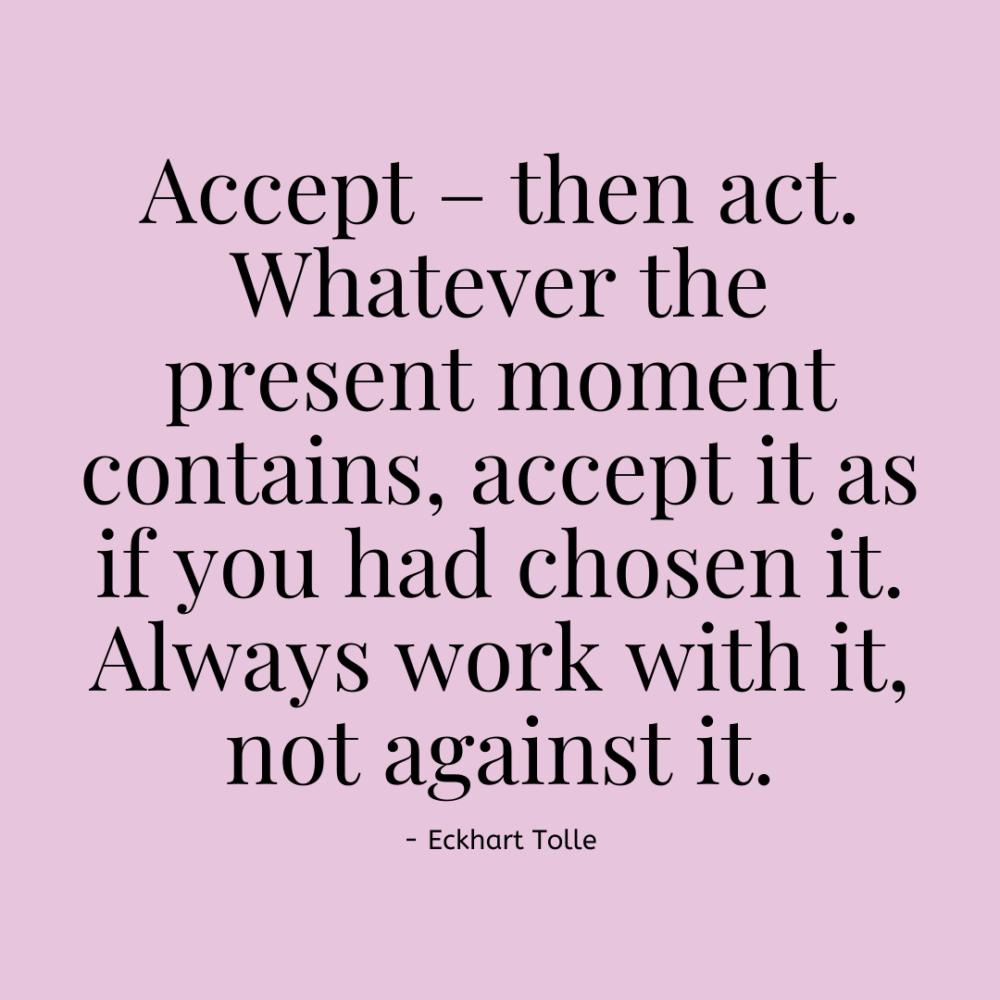
Stressed, I pushed forward through every task. Although many were accomplishments I was proud of, I kicked and screamed and complained about asinine systems throughout. Why do we have to dress up so formally for an interview when it’s not a true representation of who we are? Why do we have to go through all this paperwork and application process to go to college? or get a masters degree? Why is buying a house such an insane, perplexing process? Why do people need to diversify their money versus just getting a paycheck and putting it in a bank? Basically, I have had a really hard time accepting the systems we use in this world. They are all unnecessarily complicated.
Somehow, the powers that be never received my persistently incensed thoughts through osmosis to change the processes I hated into more reasonable and simplistic ones by ways of this prolonged tantrum! I wonder why they didn’t hear me! Rude, if you asked me.

That brings me to the skill of distress tolerance. When I was getting my license in professional counseling, I took it upon myself to study the entire DBT manual and workbook one summer. It’s an excellent therapy and is my absolute favorite in addition to CBT. When I first read about it, it just clicked. It felt like the way I had been striving to think my entire life to the point I think I could have come up with it myself and created and shared it but thank goodness for psychologist Marsha Linehan because I know I’m not made for the intensity of information distribution of an entire therapy process. She did the real work and her effort, especially to get it recognized as a now popular process is remarkable. Anyway, one of my favorite strategies within it is what she calls distress tolerance.
Linehan defines distress tolerance as the ability to tolerate and withstand negative or uncomfortable emotional states. This is a daily practice, a mind shift. For some, a lot of work is required. As I said before, I’ve been working my whole life to embody this. And overall, it truly helps me get through nearly all issues now. You have to actively practice and believe this concept though.
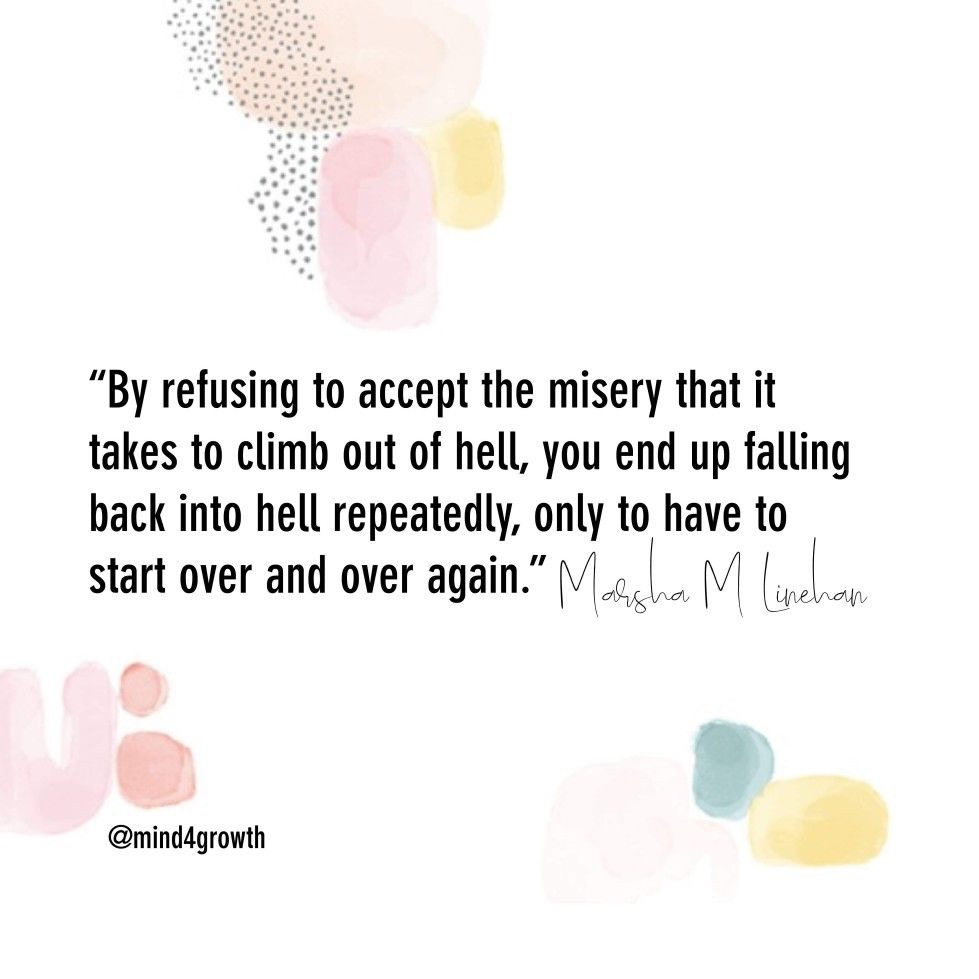
One of the skills of distress tolerance is what DBT calls radical acceptance. I see it as a good way to explain accepting things most people wouldn’t normally accept. The word radical implies it’s rare and takes a lot of effort and is not the normal way of thinking or doing. However, if you start to use radical acceptance as a tool, it becomes a clear path to having a “life worth living” – a phrase Marsha often uses to refer to the result of using DBT.
Overall, I think radical acceptance and distress tolerance come down to the concept of locus of control. You let go of the things that are not entirely in your control and only focus on your reaction-the only thing you have full control over.
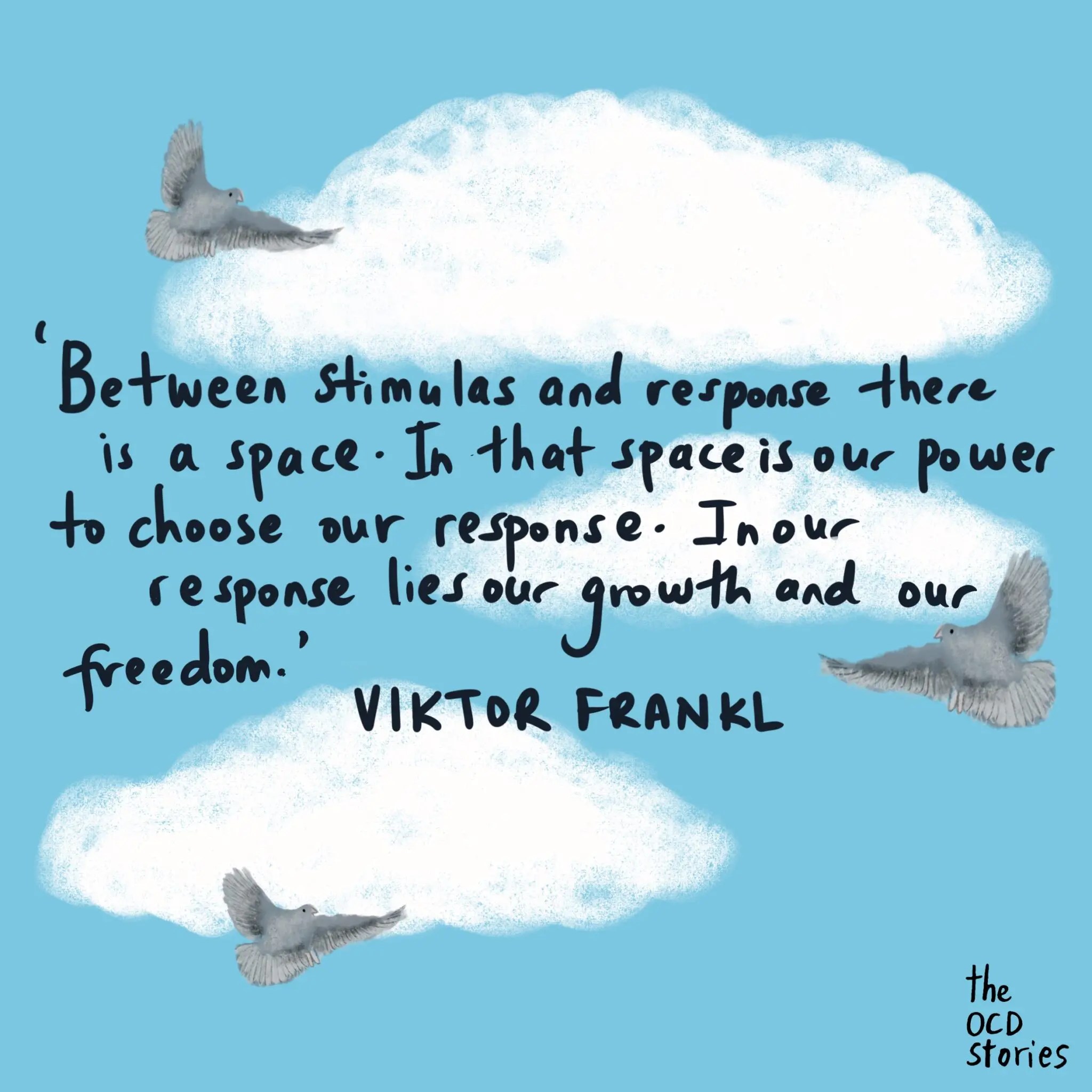
Part of the work and effort is determining what is out of your control, which is many, many things. Those that are determined to continue to control others and situations will try and talk themselves in to where they have control in places they shouldn’t try. For example, if a person is making decisions that are making their life worse and you think you can can, in fact, control them, you can’t. You will essentially be spinning your wheels. Every decision a person makes to change themselves has to come from them. If two people are involved in a decision and only one person thinks it’s a good idea to make a change, the change will not happen or it will not last long. The most you can do is influence by planting seeds but you have to understand that you are not in the driver seat for that person so you have to accept that your influence is only that and will not result in control. Control of actions is only able to be done by the person themselves.
It’s the same way with therapy. Therapists do not control the client. They plant seeds and influence and help a person find a helpful path but the client is the person doing all the work, and it really is ALL of it. THEY chose to go to therapy, THEY have a desire to make some positive changes. The therapist is just in the passenger seat. And that’s the case for us all. We are all in the passenger seat for everything out of our control. We can’t use the gas or brake or steering wheel. Imagine if you tried to climb over and use those controls over the driver. It could work but as soon as you got back in the passenger seat, the driver would still have to find a way to make the decisions that would control where they go on their own.
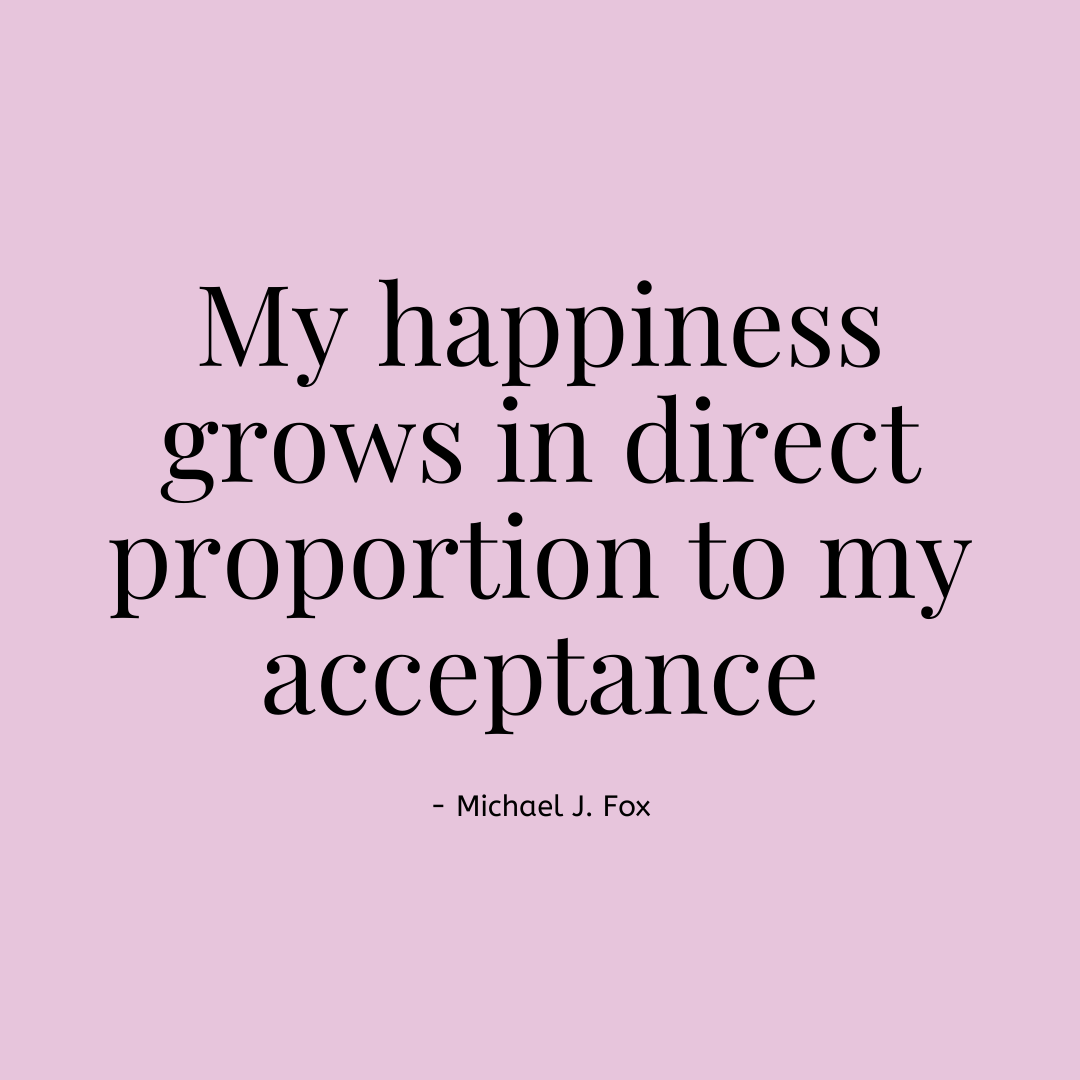
So, think about those terms-radical acceptance. Maybe it’s a skill you can excel at. What about distress tolerance? You could be a pro. I feel like these two skills will significantly impact your level of peace if you work on them. I hope I have influenced you to look into these two concepts but as stated, I’m not in your driver seat. I’m simply a passenger, trying to plant a seed. The steering wheel is in your hands.

 onthecontrarykelly